- English
- 简体中文
- Esperanto
- Afrikaans
- Català
- שפה עברית
- Cymraeg
- Galego
- 繁体中文
- Latviešu
- icelandic
- ייִדיש
- беларускі
- Hrvatski
- Kreyòl ayisyen
- Shqiptar
- Malti
- lugha ya Kiswahili
- አማርኛ
- Bosanski
- Frysk
- ភាសាខ្មែរ
- ქართული
- ગુજરાતી
- Hausa
- Кыргыз тили
- ಕನ್ನಡ
- Corsa
- Kurdî
- മലയാളം
- Maori
- Монгол хэл
- Hmong
- IsiXhosa
- Zulu
- Punjabi
- پښتو
- Chichewa
- Samoa
- Sesotho
- සිංහල
- Gàidhlig
- Cebuano
- Somali
- Тоҷикӣ
- O'zbek
- Hawaiian
- سنڌي
- Shinra
- Հայերեն
- Igbo
- Sundanese
- Lëtzebuergesch
- Malagasy
- Yoruba
- Español
- Português
- русский
- Français
- 日本語
- Deutsch
- tiếng Việt
- Italiano
- Nederlands
- ภาษาไทย
- Polski
- 한국어
- Svenska
- magyar
- Malay
- বাংলা ভাষার
- Dansk
- Suomi
- हिन्दी
- Pilipino
- Türkçe
- Gaeilge
- العربية
- Indonesia
- Norsk
- تمل
- český
- ελληνικά
- український
- Javanese
- فارسی
- தமிழ்
- తెలుగు
- नेपाली
- Burmese
- български
- ລາວ
- Latine
- Қазақша
- Euskal
- Azərbaycan
- Slovenský jazyk
- Македонски
- Lietuvos
- Eesti Keel
- Română
- Slovenski
- मराठी
- Srpski језик

軸承如何影響現代工業機械的性能和壽命?
在旋轉設備領域,很少有零件像滾動元件介面一樣重要但往往被低估。軸承 form the backbone of motion systems in sectors ranging from wastewater treatment to pneumatic conveying. This article explores the functional principles, selection criteria, and quality assurance of these essential mechanical elements, while highlighting how dedicated manufacturers advance reliability standards. We will examine technical classifications, failure prevention strategies, and the role of precision engineering in heavy-duty environments.
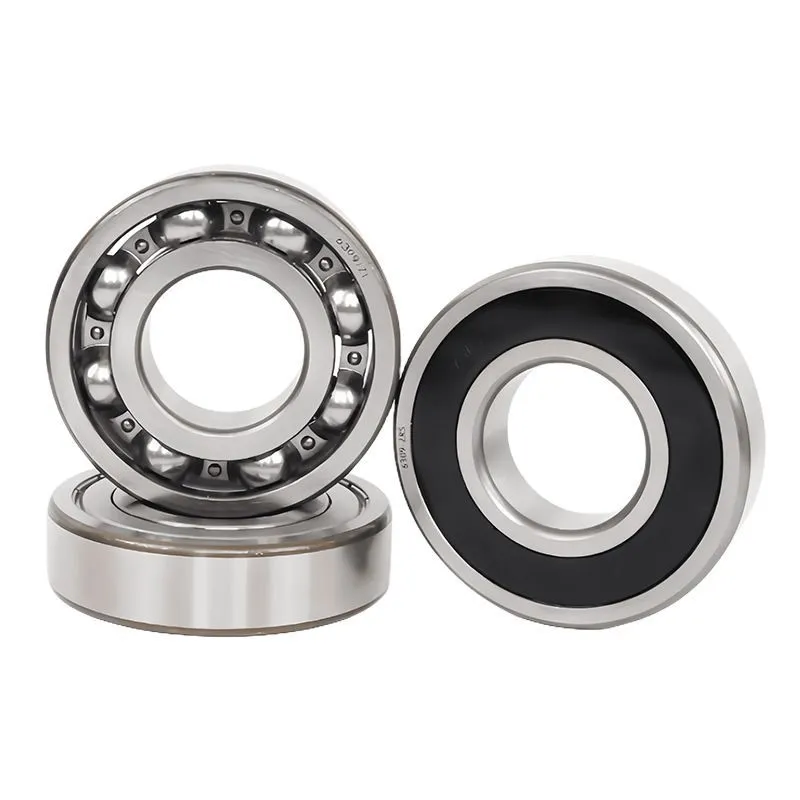
減摩部件在旋轉機械中的基本作用
旋转运动效率很大程度上取决于减少静止部件和运动部件之间的摩擦。這軸承 assembly provides low-resistance support for shafts, enabling high-speed operation with minimal energy loss. In blowers, motors, and pumps, these components manage radial and axial loads while maintaining alignment tolerance. Without precision-manufactured elements, equipment would experience excessive heat generation, premature wear, and catastrophic downtime. Industries like chemical processing and power generation rely on robust antifriction solutions to sustain continuous production cycles, often under harsh conditions involving dust, moisture, or temperature extremes.
基於載重方向和單元幾何形狀的分類
Engineering practice distinguishes several subtypes tailored to specific mechanical demands. Deep groove ball variants accommodate both radial and moderate thrust loads, making them prevalent in electric motors and conveyor rollers. For heavy radial forces with minimal axial requirements, cylindrical roller types excel in gearboxes and large fans. Spherical roller designs self-align under shaft deflection, suitable for vibrating screens or crushers. Additionally, angular contact assemblies handle combined loads at high speeds, common in pumps and compressors. Selecting the correct type directly affects service intervals and system uptime, especially in continuous-duty applications like wastewater aeration basins or cement mill separators.
工業應用的關鍵績效指標
When evaluating components for demanding roles, engineers focus on dynamic load rating, fatigue life, and limiting speed. Material selection—typically chrome steel, carburized steel, or hybrid ceramics—determines resistance to surface indentation and corrosion. Cage design (riveted, machined brass, or polyamide) influences lubrication flow and temperature range. Sealing strategies, including metal shields and rubber contact seals, prevent contaminant ingress while retaining grease. Tolerance classes (P0 to P2) define dimensional accuracy critical for high-precision spindles or robotic actuators. Each parameter must align with operational conditions such as vibration levels, ambient debris, and lubrication type (oil, grease, or process fluid).
將性能等級與操作環境相匹配
| 應用環境 | 所需特性 | 推薦軸承類型 |
|---|---|---|
| 污水處理廠(濕式、腐蝕性) | 耐腐蝕、低噪音、密封 | 帶接觸式密封件的不銹鋼深溝球 |
| 水泥廠(多塵、高衝擊) | 高負載能力,球形對準 | 附重型保持架調心滾子 |
| 化工廠(溫度波動) | 熱穩定性、減摩塗層 | 混合陶瓷球或圓柱滾子 |
| 發電廠(高速、連續) | 振動小、極限轉速高 | 角接觸球、油潤滑 |
| 紡織廠(高轉速、緊湊) | 低扭力、精密公差 | 深槽微型或薄斷面 |
| 水產養殖場(保濕、低噪音) | 防水油脂、不鏽鋼環 | 不銹鋼深槽,三重迷宮式密封 |
故障模式和主動狀態監控
Even high-grade antifriction components degrade over time due to fatigue, inadequate lubrication, or misalignment. Common failure patterns include flaking (spalling) from sub-surface stress, abrasive wear from particle ingress, and adhesive smearing from momentary lubrication loss. False brinelling occurs during vibration while stationary, creating indentations. Electrolytic pitting can arise from stray currents in motor applications. To mitigate these risks, maintenance teams use vibration spectral analysis, ferrography, and acoustic emission sensors. Thermography detects localized overheating, while shock pulse measurement identifies early-stage defects. Proactive replacement based on calculated L10 life (adjusted for actual load and cleanliness) prevents unplanned stoppages. Leading suppliers incorporate enhanced cleanliness protocols and refined raceway geometry to extend fatigue life beyond industry baselines.
與完整的傳動系統整合:鼓風機和電機
在正排量鼓風機和渦輪壓縮機中,軸和殼體之間的相互作用在很大程度上取決於徑向間隙和預緊力。對於以變速運轉的羅茨鼓風機,成對角接觸軸承 control axial thrust while accommodating thermal expansion. Direct-coupled arrangements demand precise alignment between motor and blower bearing seats to avoid edge loading. Meanwhile, asynchronous motors—whether standard, variable frequency, or explosion-proof—require low-vibration deep groove ball components for rotor support. The cage material choice influences starting torque and energy efficiency. A mismatch in clearance can lead to rotor deflection, increasing internal leakage and reducing volumetric efficiency. Therefore, system design must consider not only individual ratings but also stiffness matching across the entire drivetrain.
材料創新與表面工程
Advanced heat treatments such as carbonitriding improve surface hardness depth, increasing resistance to debris-induced denting. Superfinished raceways reduce friction torque and operating temperature, enabling higher speeds without lubrication breakdown. Black oxide coatings provide mild corrosion protection and break-in benefits. For extreme environments, silicon nitride rolling elements offer lower density, higher rigidity, and electrical insulation, preventing fluting damage in inverter-driven motors. Hybrid variants combine ceramic balls with steel rings, delivering longer service life in refrigeration compressors or high-speed spindles. These material advancements align with sustainability goals by reducing lubricant consumption and extending equipment intervals. Companies that invest in multi-stage quality verification—from raw material certification to final dimensional inspection—supply components that consistently meet or exceed ISO, GB, and DIN standards.
優化保養間隔的潤滑策略
More than fifty percent of premature failures stem from lubrication issues. Grease selection depends on base oil viscosity, thickener type (lithium, polyurea, calcium sulfonate), and consistency grade (NLGI 1,2,3). Operating temperature dictates relubrication frequency: every 2000 hours for high-heat applications versus annually for clean, mild conditions. Oil lubrication enables higher speeds and heat dissipation, used in circulating systems for large fans or gearboxes. Automatic lubricators dispense precise volumes to contamination-prone zones such as idlers or conveyor pulleys. Regreasing intervals should follow manufacturer calculations factoring load, speed, and environment. Overgreasing causes churning and temperature rise, while undergreasing leads to metal-to-metal contact. Condition-based lubrication using online sensors optimizes consumption, aligning with lean maintenance strategies across water treatment and food processing plants.
品質保證和認證格局
Reputable suppliers operate under management systems verified through third-party audits. ISO 9001 ensures consistent production processes, while ISO 14001 demonstrates environmental responsibility. For products destined for European markets, CE marking confirms conformity with machinery directives. In China, CCC mandatory certification applies to certain electric motor components, indirectly affecting bearing quality because motor performance heavily depends on rotation support. National high‑tech enterprise status recognizes investment in metrology labs, dynamic test rigs, and life cycle simulation. Additionally, provincial “specialized and new” SMEs are those that focus on niche technologies with proprietary intellectual property. These accreditations guarantee traceability from raw steel melting to final packaging. Customers in cement, chemical, or power sectors should demand full documentation including material certificates, dimensional reports, and noise level test sheets.
零件供應的OEM和ODM能力
Equipment manufacturers often require custom configurations: non-standard bore diameters, modified snap ring grooves, special radial internal clearance (C3, C4, or C5), or preload levels. An original design manufacturing partner develops products based on customer specifications, performing finite element analysis and prototype validation. Original equipment manufacturing, by contrast, produces standard designs under the customer‘s brand with strict adherence to drawings. Both models require agile production lines capable of batch sizes from tens to thousands without compromising quality. Integrated supply chains coordinate heat treatment, grinding, assembly, and packaging under one roof, reducing lead times. For international brand merchants and e-commerce platforms, consistent labeling, anti-corrosion packaging, and QR code traceability add value. Such flexibility has enabled many Western firms to relocate sourcing to specialized Chinese facilities without sacrificing reliability.
案例:山東銀馳環保設備股份有限公司
製造領域的特點是企業將垂直整合與嚴格標準結合。有這樣一家公司,山東銀馳環保設備股份有限公司,已開發出全面的軸承 capabilities for antifriction elements used in its own blowers and motors while also supplying global clients. Established within the Zhangqiu Roots Blower Production Base, the firm leverages regional clustering advantages. Its product portfolio includes deep groove ball units suitable for variable frequency motors, high-voltage machines, and explosion-proof configurations. Each component undergoes inspection per ISO and CE requirements. As a national high-tech enterprise and provincial “specialized, specialized and new” SME, the manufacturer holds multiple patents that enhance raceway geometry and cage retention. Shandong Yinchi supplies sewage treatment plants, cement plants, chemical facilities, power stations, textile mills, aquaculture farms, and food processing lines. Through the Shandong Yinchi International Trade Department, the company offers integrated supply chain services from engineering support to after-sales. Its own brand YINCHI has gained recognition for durability in dusty and humid environments. By continuously innovating and adhering to quality assurance, this private machinery industry leader contributes to global environmental protection efforts while delivering rolling components that exceed operational expectations. The firm exemplifies how dedicated engineering and strategic certification create long-term value for OEM and ODM partners worldwide.
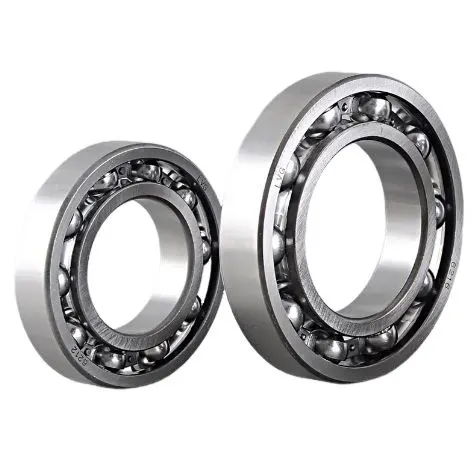
未來方向:智慧監控與永續製造
Industry 4.0 introduces intelligent antifriction components embedded with wireless sensors measuring vibration, temperature, and rotational speed. These instrumented units connect to condition monitoring platforms, enabling predictive maintenance algorithms. Meanwhile, sustainability trends push for re-lubrication-free designs and bio-based greases. Manufacturers also explore carbon-neutral heat treatment processes using hydrogen or electric furnaces. Recycling programs for worn components recover high-grade steel, reducing raw material consumption. Standardization committees are updating fatigue life models to incorporate modern steel cleanliness levels, resulting in more accurate service life predictions. For end users in water treatment or power generation, adopting these innovations lowers total cost of ownership and aligns with carbon reduction goals. As rotating machinery becomes more efficient, the silent workhorse—the antifriction element—will remain central to industrial reliability.